%2Ffit-in%2F250x250%2Fguide_websites%2F12083%2Fimages%2Fsidehustle.png&w=1920&q=100)
Duck Hunting Success in Carrabelle FL
Waterfowl Hunting in Carrabelle - What to Expect
%2F%2Fusers%2Fe1f3dda7-0453-4643-b859-c6b49fd964d2%2Fimages%2Fcarrabelle-duck-hunting-success-2382.jpg&w=1920&q=75)
Fishing Charter by Captain Tim Sorensen in June
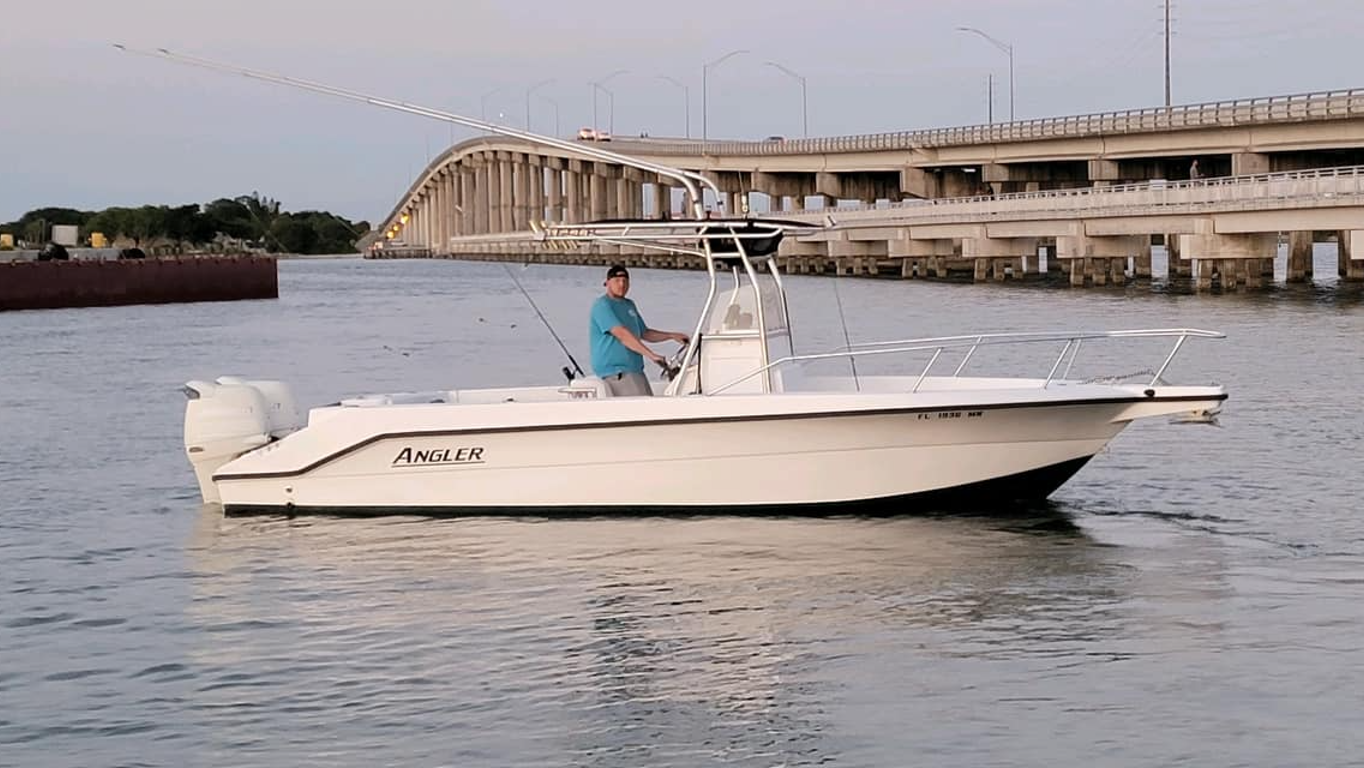
Meet your Captain Tim Sorensen
- Catch Carrabelle, Book Now for Gulf Thrills!


Summary
This fishing charter in Carrabelle, FL showcases successful waterfowl hunting on a Thursday in June. Captain Tim Sorensen leads hunters through prime duck habitats, where understanding species behavior and seasonal patterns directly impacts harvest success. Learn what makes these coastal waters ideal for waterfowl hunting.
Duck Hunting with Captain Tim Sorensen - Rates & Booking
Captain Tim Sorensen of Sidehustle Excursions led a fishing charter in Carrabelle on Thursday, June 12. This waterfowl hunting experience demonstrates the effectiveness of working with a local guide who understands seasonal duck patterns and prime hunting locations along Florida's Gulf Coast. Captain Tim brings expertise in reading water conditions, identifying flight corridors, and positioning hunters for optimal success. To book your duck hunting adventure, contact Sidehustle Excursions directly for current rates, availability, and charter details.
Highlights of Waterfowl Hunting
Waterfowl hunting in Carrabelle centers on the rich estuarine environments where multiple duck species congregate during migration periods. The coastal marshes and shallow bays surrounding Carrabelle create ideal conditions for both dabbling and diving ducks. Early morning hunts typically produce the best results, as ducks are most active during dawn feeding periods. This location's proximity to major flyways makes it a productive destination for harvesting various duck species throughout the season.
Local Waterfowl Hunting Experience
Carrabelle's coastal waters attract waterfowl species that utilize the Gulf of Mexico and inland waterways as migration corridors. Ducks rely on shallow, productive waters to find food sources including aquatic vegetation, invertebrates, and seeds. Understanding duck behavior helps hunters position blinds in transition zones where birds move between roosting and feeding areas. The estuary's structure - combining marsh vegetation, open water, and mudflats - creates layered habitat that supports different species with varying feeding preferences.
Successful waterfowl hunting requires reading environmental cues. Water level fluctuations affect where ducks concentrate. Tidal movements influence feeding patterns and movement timing. Wind direction and speed impact flight paths and decoy effectiveness. Local guides like Captain Tim use cumulative knowledge of these factors to consistently locate active birds and position hunters for clean shots. The harvest shown in this image reflects proper technique, timing, and understanding of local conditions.
Duck species in this region include mallards, pintails, widgeon, and various diving ducks depending on season. Each species exhibits distinct behavior patterns - some prefer open water, others work dense marsh vegetation. Knowing which species are present and their habitat preferences helps hunters prepare appropriate decoys, calls, and camouflage. The challenge and reward of waterfowl hunting lies in applying these insights to predict where birds will appear.
Safety and ethics form the foundation of responsible waterfowl hunting. Proper gun handling, understanding waterfowl identification, and following harvest regulations ensure both personal safety and sustainable bird populations. Working with a licensed captain adds another layer of assurance - guides maintain current licenses, understand current regulations, and prioritize hunter safety throughout the charter.
Plan Your Duck Hunting Day
A typical waterfowl hunting charter in Carrabelle begins before dawn, positioning hunters in blinds during the most productive period. Hunts generally run 4-6 hours, allowing time for morning flight and potential afternoon activity. Wear layered, waterproof clothing - early morning temperatures are cool, and water spray from the boat creates dampness. Bring binoculars for locating distant birds and a range finder for accurate distance estimation. Captain Tim and Sidehustle Excursions provide guidance on what to bring and what the charter includes. Confirm details when booking regarding gear, licenses, and any other specifics for your hunt.